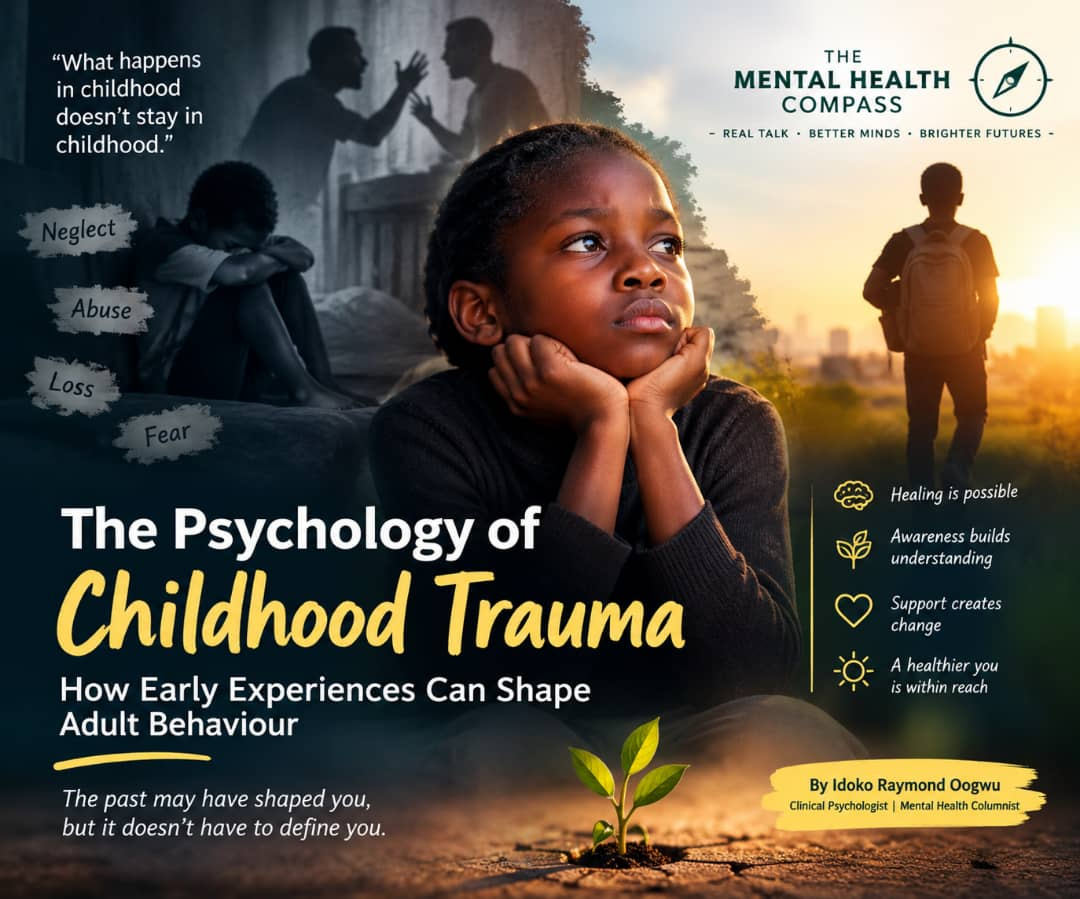

An adult may struggle to trust people, fear being abandoned, become uncomfortable with conflict, or feel responsible for everyone else’s emotions without fully understanding where these patterns began. Sometimes, the roots lie in earlier experiences. Childhood does not determine a person’s entire future, but it can influence how they learn to understand safety, relationships, and themselves.
Childhood trauma can include experiences such as abuse, neglect, witnessing violence, or living through frightening and deeply destabilising events. Repeated exposure to severe stress can also affect a child’s sense of security. Not every difficult childhood experience leads to trauma, and people can respond to similar experiences in different ways.
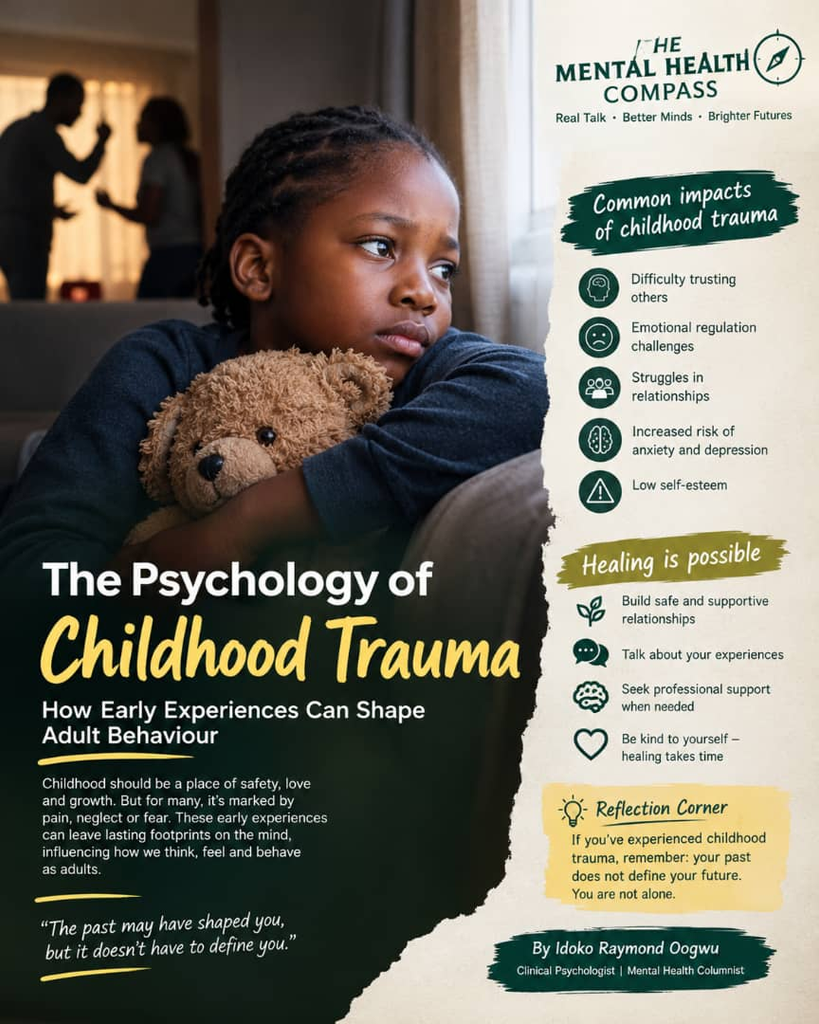
How early experiences may show up later
A child who repeatedly experiences rejection may grow into an adult who expects others to leave and seeks constant reassurance. Someone who grew up around unpredictable anger may become highly alert to changes in tone or facial expression. A person who was criticised frequently may become perfectionistic or feel intense shame after small mistakes.
Others may find it difficult to identify their own needs because they learned to focus on keeping adults calm or avoiding conflict. These are possible patterns, not proof that someone has experienced trauma. Personality, culture, supportive relationships, and later life experiences also matter.
Psychology Insight
During childhood, the brain and emotional regulation skills are still developing. Caring, consistent relationships help children learn that distress can be managed and that other people can be sources of safety. When a child faces overwhelming or ongoing adversity without adequate support, their ways of coping may become organised around protection such as staying constantly alert, withdrawing, pleasing others, or avoiding reminders of painful events.
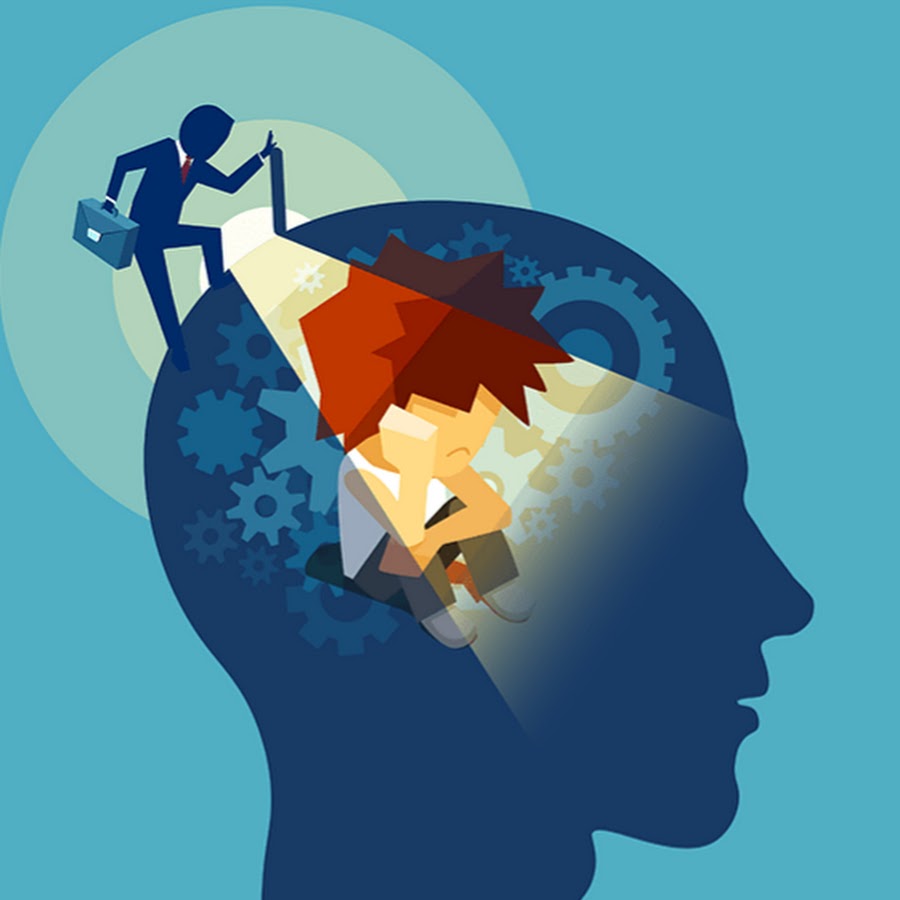
These responses may once have helped a person get through a difficult situation, even if they create problems in adulthood. Understanding this can replace self-blame with curiosity. It does not mean every behaviour is harmless or that the past excuses hurting others; it means change begins with understanding what is happening.
Can healing happen?
Yes. People are not permanently defined by what happened to them. Supportive relationships, safe environments, emotional skills, and appropriate psychological care can help people develop new ways of responding. Trauma-informed therapy can offer a space to explore painful experiences at a manageable pace. No one should feel pressured to disclose details before they are ready.
- Dangote Refinery IPO Attracts Fourfold Subscriptions
- Alex Mascot Rebuilds Constitution Crescent Primary School
- Education Investment Could Transform Nigeria’s Girls
- Amnesty Demands Answers Over Maitama Land Allocation
- School or Marriage: The Choice No Girl Should Face
If memories or reactions feel overwhelming, grounding techniques such as noticing your feet on the floor, naming objects around you, and slowing your breathing comfortably may help you reconnect with the present. These tools are not a replacement for professional care, but they can be useful for some people.
Reflection Corner
Are there reactions you judge yourself for that might make more sense when you consider what you have lived through? What would it look like to respond to yourself with understanding while still working toward healthier patterns?
Your past may help explain some of your responses, but it does not have to write every chapter of your future. Healing is possible, and you deserve support along the way.