
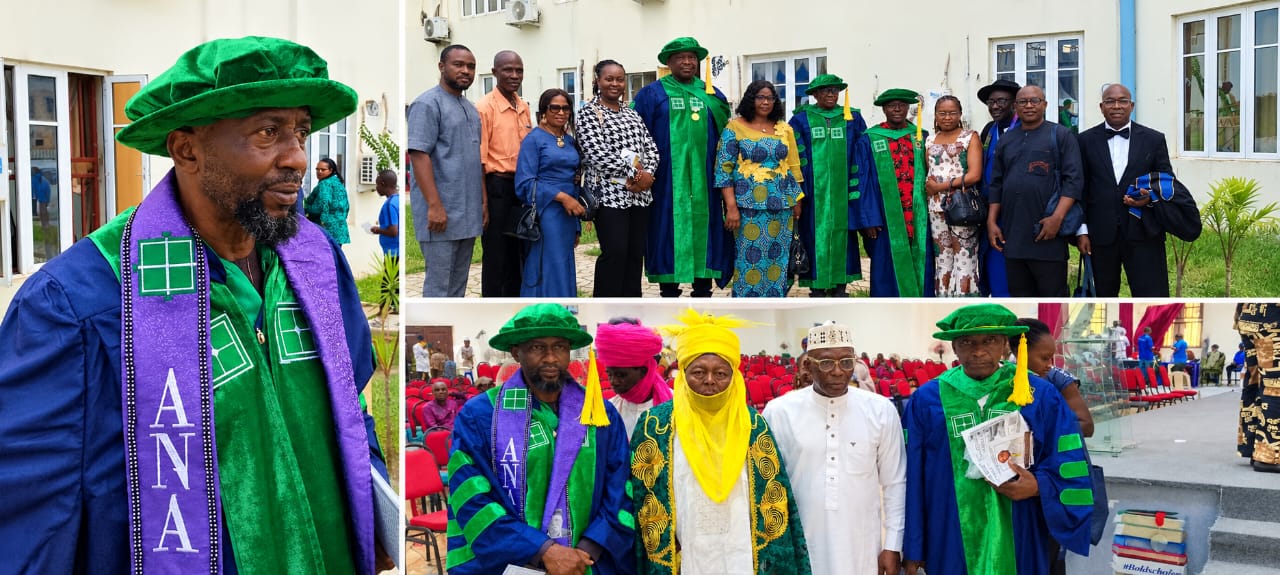

Nigerian Authors Uncover Literature’s Power Against Insecurity
ABUJA, Friday, 30 October 2026 — What if the stories Nigerians read, write and share could help make the country safer? That powerful possibility took centre stage on Friday as Nigerian authors and literary professionals gathered in Abuja for the 45th International Convention and Conference of the Association of Nigerian Authors (ANA).
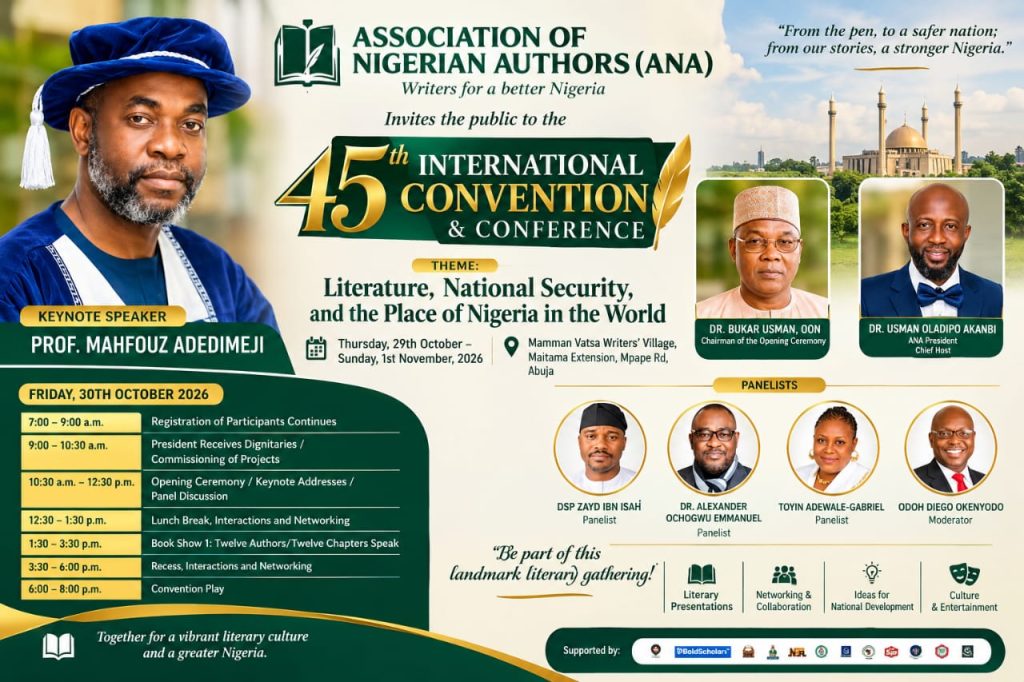
Held at the Mamman Vatsa Writers’ Village, Maitama Extension, Mpape Road, Abuja, the conference explored the theme, “Literature, National Security, and the Place of Nigeria in the World,” bringing together writers, academics, policymakers and other stakeholders to examine how literature can contribute to national development and security.
One of the strongest messages emerging from the discussions was that literature is much more than entertainment. It can build understanding among different communities, challenge harmful perceptions, expose social problems and encourage citizens to participate in creating a safer society.
Professor Rezinat Talatu Mohammed, a Professor of Literature at the University of Abuja, explained that Nigerian literature provides an important window into the experiences of people from different parts of the country.
She cited Cyprian Ekwensi’s novel Burning Grass, which explores the experiences of young Fulani pastoralists, explaining how literature enables readers from different backgrounds to understand lives and experiences beyond their immediate communities.
According to her, this understanding can strengthen social cohesion and national unity.
“Nigerian literature, for example, helps us to understand ourselves better. It helps us to see how other Nigerians live,” she said.
She added that writers must move beyond simply producing books and become active participants in shaping the country’s future.
“How many writers have permanent voters cards?” she asked, challenging authors to participate in elections, make informed choices and contribute their voices to public discussions.
She emphasised that writers should not limit their contributions to criticising government policies or publishing books but should actively engage in efforts to bring about positive change.
Another contributor to the discussions highlighted the power of storytelling in drawing public attention to social challenges, explaining that well-told stories can reach thousands of people, influence conversations and sometimes prompt authorities to respond to pressing community concerns.
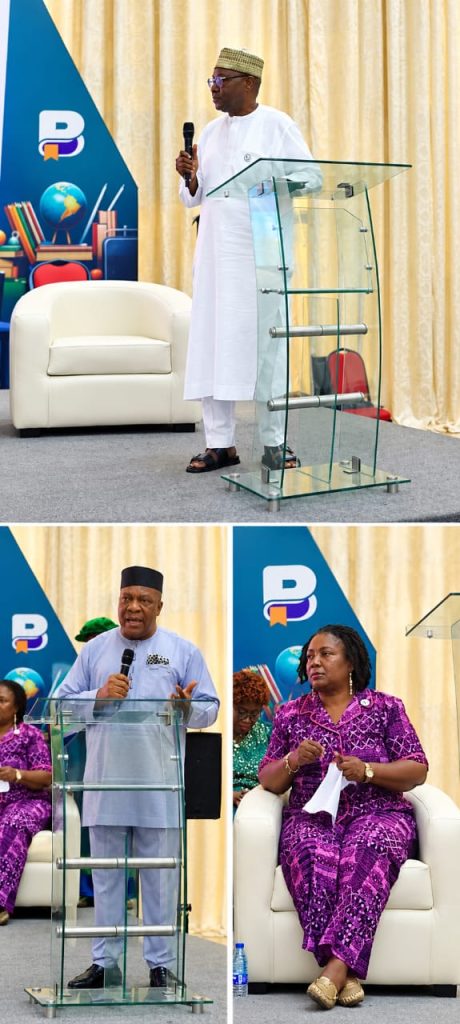
The discussions also highlighted the importance of writers using their platforms, including books, television and digital media, to develop innovative responses to national challenges.
The conference featured Professor Mahfouz Adedimeji as keynote speaker, while Dr Bukar Usman, OON, served as Chairman of the Opening Ceremony. Dr Usman Oladipo Akanbi, President of the Association of Nigerian Authors, hosted the gathering.
- Nigerian Authors Uncover Literature’s Power Against Insecurity
- Wike Commends Dunamis Church For Constructing Pedestrian Bridge In Abuja
- DEVELOPMENT INSIGHTS MORNING BRIEF 30 OCTOBER, 2026
- Victor Ndulue’s Shadows Of Gunpowder Explores Ageing And Legacy
- NELFUND Moves to Curb Duplicate Tuition Payments
The panel discussion featured DSP Zayd Ibn Isah, Dr Alexander Ochogwu Emmanuel and Toyin Adewale-Gabriel, with Odoh Diego Okenyodo serving as moderator.

The Friday programme included the commissioning of projects, opening ceremony, keynote addresses, panel discussions, literary presentations, networking and the convention play.
Running from Thursday, 29 October, to Sunday, 1 November 2026, the convention also provided opportunities for literary collaboration, cultural exchange and conversations about Nigeria’s position in the global literary community.
With its focus on national security and the responsibility of writers, the gathering reinforced an important message: stories can do more than entertain; they can help Nigerians understand one another, question injustice and participate in building a more peaceful country.


